-
- CNC Panel SawCNC Router MachineAutomatic Edge Banding MachineSix Sided CNC Drilling Machine
- Application
![news]()
Avoid Splintering with These CNC Router Machine for Wood Tips
Views: 0 Author: Site Editor Publish Time: 2025-09-17 Origin: Site
![facebook sharing button]()
![twitter sharing button]()
![line sharing button]()
![wechat sharing button]()
![linkedin sharing button]()
![pinterest sharing button]()
![whatsapp sharing button]()
![sharethis sharing button]()
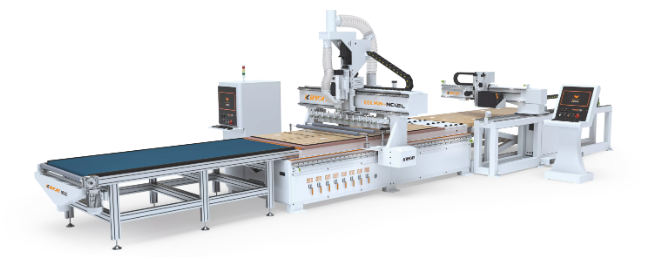
Splintering can ruin hours of careful work. With a cnc router machine, wood edges often chip or tear. Ignoring prevention wastes material and time. Using the right cnc router machine for wood techniques saves money and ensures clean results. In this article, you'll learn practical tips to avoid splintering.
Understanding Why Wood Splinters on a CNC Router Machine
Working with a cnc router machine gives you precision and speed, but splintering is a constant risk. Knowing why wood tears helps you avoid ruined parts and wasted sheets. Below we'll break down the main causes and how to prevent them.
Grain Orientation and Cutting Direction
Wood grain behaves like fibers running in one direction. When a cutter moves against the grain, it lifts fibers instead of slicing them cleanly. This creates chipped edges, especially on end grain transitions. Curved cuts make it worse because the tool hits multiple grain directions at once. Routing along the grain or planning climb cuts in danger zones helps minimize splintering.
Tool Sharpness and Bit Design Impact
A dull bit crushes wood instead of cutting it. On a cnc router machine for wood, this quickly turns clean edges into fuzzy, splintered lines. Carbide or compression bits stay sharp longer than high-speed steel. Bit geometry also matters—straight flute cutters reduce lifting, while downcut bits push fibers down for cleaner top edges. Compression bits handle through-cuts by protecting both top and bottom surfaces.
Feed Rate, Spindle Speed, and Cut Depth Mistakes
Incorrect feeds and speeds are another splintering trigger. Too slow and the tool rubs, creating burn and fuzz. Too fast and the bit rips fibers apart. Deeper cuts expose more of the bit's helix, pulling fibers upward. The fix is multiple shallow passes combined with tested feed rate calculators. Even a small change in RPM can make a big difference in edge quality.
Material-Specific Risks (Plywood, Softwood vs. Hardwood)
Not all wood reacts the same. Plywood is prone to tear-out because of its layered structure and glue lines. Low-grade sheets often contain voids that cause sudden chip-outs. Softwoods like pine splinter easily due to open grain, while dense hardwoods cut cleaner but stress the bit. Birch plywood or MDF offer more stability and fewer defects if you choose quality stock.
Choosing the Right CNC Router Bits for Wood (Most Critical Section)
Using the right bit is the single biggest factor in avoiding splintering on a cnc router machine. Poor bit choice leads to chipped surfaces and wasted material, no matter how good your settings are. Below we explore the key bit types and when to use them.
Downcut vs. Upcut vs. Compression Bits
● Upcut bits pull chips upward, clearing dust but lifting wood fibers. They leave a clean bottom surface but risk tearing the top edge.
● Downcut bits push fibers downward, producing clean top edges but sometimes trapping chips. They are best for shallow cuts and grooves.
● Compression bits combine both. The lower part pulls chips up, and the upper part pushes fibers down. They keep both sides of plywood edges clean, making them ideal for through-cuts.
Straight Flute vs. Spiral Flute Options
Straight flute bits cut directly across the wood without lifting fibers. They are simple, affordable, and good for short jobs. Spiral flute bits, either upcut or downcut, slice fibers more efficiently. They produce smoother cuts but cost more and wear faster in abrasive materials. Straight flutes can sometimes beat spiral flutes on tear-prone plywood.
Why Carbide or Diamond-Coated Beats HSS
High-speed steel (HSS) dulls quickly in wood, especially plywood that contains adhesives. Carbide bits last much longer and stay sharper. For large-scale production, diamond-coated bits can extend tool life even further. They resist heat and abrasive glue layers better than carbide. This means fewer tool changes and less downtime on a cnc router machine for wood.
Best Bits for Plywood vs. Hardwood Projects
● Plywood: Compression bits or sharp downcut spirals minimize splintering across multiple layers.
● Hardwood: Upcut spirals clear chips quickly in dense grain, while straight flutes reduce edge chipping on figured wood.
● Softwood: Less dense fibers cut easily, but they splinter more. A sharp downcut is usually enough.
When to Replace or Sharpen Your Bits
A dull bit shows warning signs: burn marks, fuzzy edges, or heavy vibration. Replace or sharpen before those signs grow. Carbide can often be resharpened a few times. HSS, on the other hand, rarely lasts long enough for sharpening to be worth it. For production shops, logging bit usage hours helps predict wear before defects appear.
Matching Bit Size to Project Detail Level
Large bits clear material fast but lack precision. Small bits carve fine details but cut slower and break easier. For example, a ¼-inch compression bit handles sheet cutting, while a 1/16-inch upcut spiral is best for lettering. Match bit size to your project instead of using one universal cutter.
Bit Type
Best For
Splinter Risk
Lifespan
Upcut Spiral
Chip removal, deep cuts
High top edge
Medium (carbide)
Downcut Spiral
Clean top edges, grooves
Bottom tear-out
Medium
Compression
Plywood through-cuts
Very low
Medium-High
Straight Flute
Simple cuts, low fuzzing
Moderate
Short-Medium
Diamond-Coated
High-volume production
Very low
Very high
Tip: Standardize bit types across your shop. It reduces operator errors, simplifies training, and makes bulk purchasing more cost-effective.
Cutting Strategies to Minimize Splintering
Even with the best router bits, poor cutting strategies can still ruin edges. A cnc router machine can control tool paths precisely, but if you don't plan the cut sequence correctly, splintering still happens. Below are the most effective cutting methods for clean results.
Use Climb Cutting in Danger Zones
Climb cutting means the cutter rotates in the same direction as the feed. This method reduces cutting force and chip-out compared to conventional cutting. It is especially useful around curves and end-grain transitions, where tear-out risk is high. On a manual router, this move feels unsafe, but a cnc router machine for wood controls the tool, making climb cutting safe and predictable.
Route End Grain Before Long Grain
End grain tends to splinter more than long grain because fibers are exposed. By routing end grain first, you limit the risk of breakage when you finish with long grain passes. If the end grain splinters slightly, the following long grain cut cleans it up. This sequence is simple but effective for frames, panels, or furniture edges.
Shallower Cuts with Multiple Passes
Deep cuts put more of the bit's helix in contact with fibers, pulling them upward. Taking shallow passes distributes cutting forces and reduces lifting. Multiple passes also keep the bit cooler, extending tool life. For example, instead of cutting ¾-inch plywood in one pass, use three lighter passes for smoother edges.
Roughing Pass + Finishing Pass for Clean Edges
Splintering often occurs during rough cuts. A finishing pass is a light cleanup cut after the rough pass. Because the finishing pass removes only a small amount of material, the cutting force is lower and less likely to cause tear-out. Professional shops often run both passes to guarantee consistent results on production jobs.
Supporting Techniques That Protect the Workpiece
Even the best bit choice and cutting strategy can't prevent every splinter. A cnc router machine operator also needs support methods that stabilize the wood. These techniques add extra control, reduce fiber lift, and deliver professional finishes.
Backer Boards and Sacrificial Spoilboards
Placing a backer board behind the workpiece supports fibers during exit cuts. It absorbs the breakout force that normally splinters wood edges. A spoilboard under the sheet provides bottom support and protects the machine table. Both are simple, low-cost defenses against tear-out.
Masking Tape or Finish Coatings to Reinforce Fibers
Masking tape pressed firmly along the cut line holds fibers in place. After cutting, peel it off to reveal smoother edges. A thin coat of shellac, varnish, or polyurethane can also stiffen the surface before cutting. This trick works especially well for plywood and veneer sheets on a cnc router machine for wood.
Controlled Plunge vs. Ramp-In Entries
Plunge cutting forces the bit straight into fibers, which increases chip-out. A ramp-in entry gradually lowers the tool into material at an angle. This approach reduces stress on the bit and on fragile edges. For compression bits, quick plunge depth is still preferred, but for most cuts ramping delivers cleaner results.
Using Scoring Cuts for Delicate Edges
A shallow scoring cut creates a break line before the full-depth pass. Fibers stop splitting at the score mark, leaving a crisp finish. Scoring is useful on veneered plywood or decorative hardwoods. Some shops even program a drag knife on the cnc router machine for precise scoring before routing.

Material-Specific Tips for CNC Router Machine for Wood
Not every wood behaves the same on a cnc router machine. Grain density, glue content, and moisture levels affect how edges cut. By tailoring your setup to the material, you save time, bits, and wasted sheets.
Plywood (Avoiding Delamination and Tear-Out)
Plywood is one of the most common materials used on a cnc router machine for wood, but it splinters easily. Its layered construction and glue pockets cause chip-out at entry and exit points. Compression bits are the safest option for through-cuts since they press layers toward the center. High-grade birch plywood resists voids and provides a smoother edge compared to low-grade sheets.
Hardwood vs. Softwood: Which Splinters More
Hardwoods like oak or maple have dense grain. They resist fuzzing but stress the bit more. Softwoods such as pine tear out easily because of open grain and lower density. When cutting softwood, use sharper downcut bits and make lighter passes. For hardwood, slower feed rates and solid carbide bits reduce heat and tool wear.
Engineered Wood (MDF, Birch Plywood) Considerations
MDF cuts smoothly but produces fine dust that clogs tools. Always use carbide-tipped bits and dust extraction. Birch plywood, being denser than standard ply, offers cleaner finishes but dulls tools faster. Engineered woods are stable, making them ideal for intricate designs, but they demand strict tool maintenance.
Selecting High-Quality Sheets to Reduce Defects
Cheap sheets may save upfront costs, but they splinter more, contain hidden voids, and burn bits faster. Investing in premium stock often lowers total costs by reducing rework and scrap. Always inspect sheets for surface cracks, warping, or visible glue lines before running them on a cnc router machine.
Material-Specific Tips for CNC Router Machine for Wood
The type of wood you place on a cnc router machine can make or break the final result. Each material has unique fiber structures, glue contents, and density levels that influence how cleanly it cuts. By adapting your setup, you can reduce splintering and extend tool life.
Plywood (Avoiding Delamination and Tear-Out)
Plywood is notorious for splintering because of its layered construction. Voids in low-quality sheets often cause sudden chip-out. Compression bits are best since they push fibers toward the center, reducing both top and bottom tear-out. For surface grooves, use sharp downcut bits. Always clamp sheets firmly to avoid shifting, which worsens delamination.
Hardwood vs. Softwood: Which Splinters More
Hardwoods like maple and oak have tighter grain, which helps resist fuzz but demands more cutting power. They are less likely to splinter but can burn bits faster. Softwoods such as pine or cedar tear more easily due to open fibers. On a cnc router machine for wood, use sharper bits and lighter passes on softwoods to keep edges intact.
Engineered Wood (MDF, Birch Plywood) Considerations
MDF machines cleanly because it lacks grain, but it produces heavy dust that requires proper extraction. Carbide straight bits perform best here. Birch plywood is denser and cuts smoother than standard ply, making it a top choice for furniture panels. Both engineered materials reduce splinter risk but will dull tools quickly due to glue content.
Selecting High-Quality Sheets to Reduce Defects
Quality matters. Low-cost boards often contain uneven glue lines or hidden voids that lead to splintering. Premium plywood and well-dried hardwoods consistently deliver cleaner cuts. Inspect sheets for warping or surface cracks before placing them on the router bed. Better raw material means fewer reworks and more reliable production runs.
Machine Setup and Maintenance for Cleaner Cuts
A well-tuned cnc router machine is just as important as the right bit or strategy. Without proper calibration and upkeep, even high-quality wood splinters. Shops that prioritize setup and maintenance achieve consistent, professional results with fewer breakdowns.
Proper Feeds and Speeds Calibration
Feeds and speeds control how the bit meets the fibers. Too slow and it burns, too fast and it tears. Always adjust spindle RPM and feed rate based on wood type and bit geometry. Many operators use calculators or CAM software to dial in values. A cnc router machine for wood should be tested on scrap first to confirm clean edges.
Dust Extraction to Prevent Chip Marks
Dust and chips left in the cut path can press into the surface and leave blemishes. Strong dust collection ensures cleaner cuts and protects the machine's moving parts. Plywood and MDF create heavy debris, making extraction essential. Without it, tools overheat faster and surfaces show scratches.
Securing Material with Clamps or Vacuum Tables
Movement is a top cause of splintering. If the sheet shifts, even slightly, the bit pulls fibers instead of slicing. Mechanical clamps work for small jobs, but vacuum tables give uniform hold across large panels. A secure setup also improves safety and reduces tool chatter.
Regular Inspection and Bit Replacement Schedule
Dull bits splinter edges and strain spindles. Shops should set a fixed inspection routine: check bits for resin buildup, chips, or dull edges. Replace carbide or sharpen when performance drops. Tracking cutting hours helps predict tool wear and avoid mid-job failures.
Troubleshooting Splintering Issues
Even the most careful operator can face splintering on a cnc router machine. Wood is unpredictable, and sometimes adjustments are necessary mid-project. Knowing how to spot mistakes and apply fixes keeps jobs on track.
Common Mistakes Causing Persistent Tear-Out
Splintering often comes from overlooked basics:
● Dull bits crushing instead of cutting
● Wrong feed rate or spindle speed
● Cutting too deep in a single pass
● Ignoring grain orientation during tool paths
● Failing to secure sheets with clamps or vacuum
Most issues trace back to tool wear, poor setup, or skipped maintenance.
What to Do If Splintering Still Occurs
Sometimes splinters appear despite proper setup. You can salvage workpieces with these steps:
● Sanding: Smooth rough edges with fine-grit paper to remove small chips.
● Filling: Apply wood filler or epoxy to deep splinters, then sand flush.
● Re-routing: Run a shallow finishing pass to clean up damaged edges.
For veneered plywood, scoring edges with a sharp blade before rerouting often restores clean lines.
When to Switch Techniques or Materials
If splintering persists, it may not be the setup—it may be the material. Low-grade plywood has hidden voids that cause edge failure. Switching to birch ply or MDF reduces this risk. Technique changes also help: use climb cutting in danger zones, or switch from an upcut to a compression bit. In some cases, making more shallow passes is the only solution.
Conclusion
Mastering bits, strategies, and setup keeps cuts clean and efficient. Consistency saves both time and valuable material. A well-tuned cnc router machine for wood makes splinter-free results achievable. KiHON offers advanced solutions that combine reliability and precision, helping workshops produce smoother edges with less waste and greater efficiency.
FAQ
Q: Why does wood splinter on a cnc router machine?
A: Splintering happens when grain direction, feed rate, or dull bits cause fibers to tear instead of cut cleanly.
Q: What bits work best on a cnc router machine for wood?
A: Compression and downcut bits give smoother edges on plywood, while straight flutes often help with delicate veneers.
Q: How can I reduce tear-out using a cnc router machine?
A: Use multiple shallow passes, backer boards, and climb cutting in danger zones for cleaner results.
Q: Is high-quality plywood worth it for a cnc router machine for wood?
A: Yes, premium plywood reduces voids, minimizes delamination, and saves rework time.
Q: How often should bits be replaced on a cnc router machine?
A: Replace or sharpen carbide bits regularly; dull tools increase splintering and stress the machine.

![English]()
![zhifufuben]()