


Automatic edge banding machines are essential tools in the woodworking and furniture manufacturing industries. They play a crucial role in ensuring that the edges of furniture components, such as cabinets and desks, are seamlessly finished with high precision. These machines not only save time but also improve the overall aesthetic and durability of the furniture.
In this article, we will dive deep into how automatic edge banding machines work, exploring their mechanisms, various components, and how they improve the production process. We will also discuss their advantages, applications, and the key considerations for choosing the right machine for your production needs.
What Is an Automatic Edge Banding Machine?
Before diving into the working principles, it's important to understand what an automatic edge banding machine is and how it fits into the woodworking industry.
An automatic edge banding machine is a highly specialized machine used to apply edge banding material (such as PVC, wood veneer, or melamine) to the edges of a panel. These panels are typically made of MDF, plywood, or particle board and are used in the construction of furniture, kitchen cabinets, and other wood-based products. The edge banding process provides a smooth, clean finish to the exposed edges of the panels, improving both their appearance and durability.
The automatic nature of these machines means that they perform the edge banding process with minimal human intervention, making them faster and more consistent compared to manual methods.
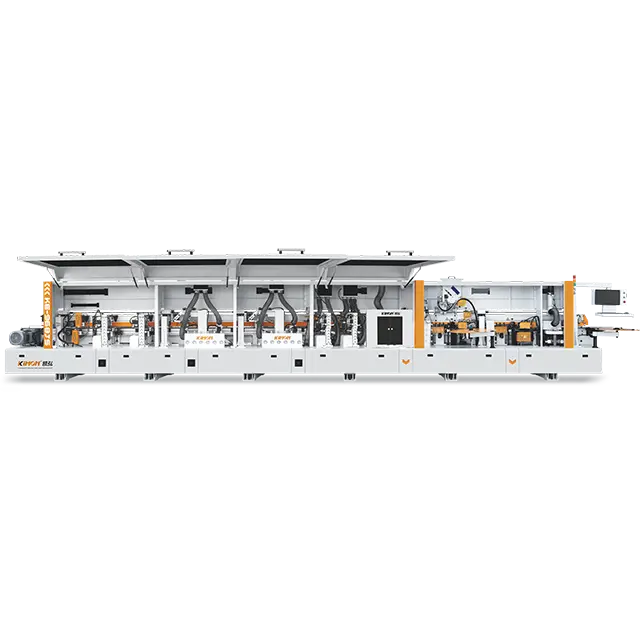
Key Components of an Automatic Edge Banding Machine
Understanding the working of an automatic edge banding machine starts with recognizing its key components. Here’s a breakdown of the major elements involved in the edge banding process:
Panel Feeding System: This system moves the panels through the machine. It is equipped with rollers or belts that guide the panels from one station to another.
Glue Application System: The machine applies glue to the edge of the panel. The glue is typically applied in a thin layer to ensure a secure bond between the edge banding material and the panel.
Edge Banding Material Feeder: This feeder supplies the edge banding material, whether it's PVC, wood veneer, or another material. It ensures a continuous feed of the banding material, preventing stoppages during operation.
Pressure Roller: After the edge banding material is applied, a pressure roller presses the material onto the panel, ensuring a tight bond.
Trimming System: Once the edge banding material is applied, the machine trims any excess material, ensuring that the edge is smooth and flush with the panel.
End-Cutting System: This component trims the edge banding at both ends of the panel, ensuring a clean, precise finish.
Buffing and Polishing System: Some advanced automatic edge banding machines include a buffing or polishing system, which smooths the edges further, ensuring a high-quality finish.
Control Panel: The control panel is where the machine’s settings are adjusted. Operators can configure the machine to handle various materials and sizes of panels, as well as the speed of the operation.
Step-by-Step Process: How Does an Automatic Edge Banding Machine Work?
1. Panel Feeding and Positioning
The process begins with the feeding of the raw panel into the machine. The panel is guided by the rollers or conveyor belts and aligned properly for edge banding. The positioning system ensures that the edges of the panel are aligned correctly for precision during the edge banding process.
2. Glue Application
Once the panel is correctly positioned, the next step is glue application. The glue is typically applied using a roller or nozzle system that ensures an even layer of adhesive is distributed along the edge of the panel. The glue is a critical component of the edge banding process because it bonds the edge banding material securely to the panel.
3. Edge Banding Material Feeding
After the glue is applied, the machine feeds the edge banding material from a spool or roll. The material is automatically aligned with the edge of the panel, and the machine ensures it adheres tightly to the glue-covered edge.
4. Pressure and Bonding
Once the edge banding material is in place, the pressure roller applies force to ensure that the banding material sticks firmly to the edge. The pressure roller is essential in providing a uniform, tight bond, preventing the material from lifting or curling over time.
5. Trimming Excess Edge Banding
After the edge banding material is securely applied, excess material along the edges is trimmed by a set of cutting tools. These tools remove any overhang, creating a flush finish.
6. Final Trimming and Polishing
The final step in the process is the end-cutting and polishing. The machine trims the excess material from the edges of the panel and then uses a buffing system to smooth out the edges, ensuring a high-quality finish that is both visually appealing and durable.
Advantages of Automatic Edge Banding Machines
There are several advantages to using an automatic edge banding machine, especially in large-scale production environments. These include:
Speed and Efficiency: Automatic machines are much faster than manual processes. They can handle large volumes of panels in a short period, which is crucial for meeting production deadlines.
Consistency: Automatic machines provide uniform quality and precision, ensuring that every panel has the same finish, reducing defects and waste.
Cost-Effectiveness: Although the initial investment in an automatic edge banding machine may be high, the long-term savings in labor and material waste make it a cost-effective solution for manufacturers.
Versatility: Automatic edge banding machines can handle various materials and panel sizes, making them versatile tools for different types of wood-based products.
Improved Product Durability: The consistent application of glue and edge banding material improves the durability of the finished product, ensuring that the edges do not peel or deteriorate over time.
Customization: Many modern machines offer customization options, allowing manufacturers to adjust settings for different types of edges, materials, and finishes.
Types of Automatic Edge Banding Machines
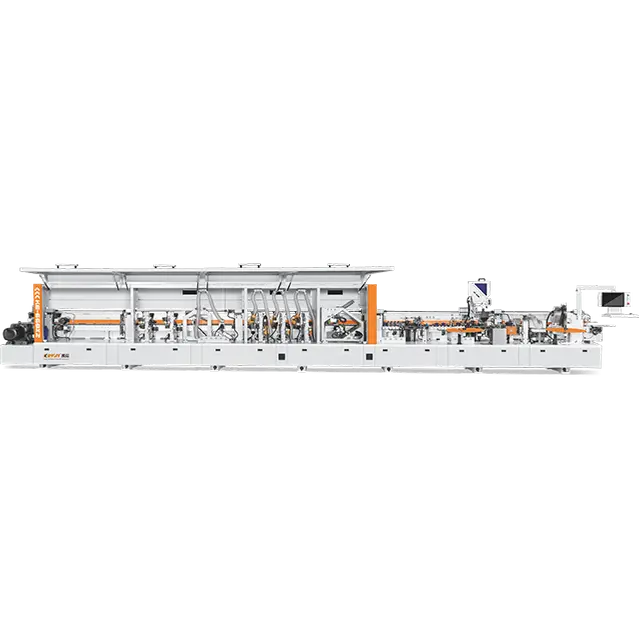
Automatic edge banding machines come in various types, each designed for specific applications. Here are some of the common types:
| Type of Machine | Description |
|---|---|
| Single Sided Edge Bander | Suitable for basic edge banding tasks where only one side of the panel is edged at a time. |
| Double Sided Edge Bander | Handles both sides of the panel, ideal for producing high-quality, fully finished edges. |
| Profile Edge Bander | Designed for more intricate edge profiles, providing unique finishes and design options. |
| CNC Edge Bander | Features computer-controlled automation for high precision and flexibility in complex designs. |
How to Choose the Right Automatic Edge Bander
When selecting an automatic edge banding machine, there are several factors to consider:
Production Volume: High-volume operations may require a more advanced machine with faster processing capabilities.
Material Compatibility: Ensure that the machine can handle the types of edge banding material you intend to use, such as PVC, wood veneer, or melamine.
Panel Size: Some machines are better suited for larger panels, while others may be more appropriate for smaller, custom-sized panels.
Automation Level: Higher-end machines come with advanced features such as computer-controlled adjustments and automated setup, which can enhance efficiency but may come at a higher cost.
Budget: It’s essential to balance the cost of the machine with the long-term benefits, including labor savings, material waste reduction, and improved product quality.
Conclusion
Automatic edge banding machines are indispensable in modern woodworking and furniture manufacturing. They streamline the edge banding process, ensuring that panels are finished quickly and with high precision. With features like automatic glue application, trimming, and polishing, these machines offer unparalleled efficiency and consistency. By understanding how they work and the factors to consider when choosing the right machine, manufacturers can significantly improve their production capabilities and deliver higher-quality products.
FAQs
1. What materials can an automatic edge banding machine handle?
An automatic edge banding machine can handle various edge banding materials, including PVC, wood veneer, melamine, and ABS, depending on the model.
2. Can an automatic edge banding machine be used for small production runs?
Yes, automatic edge banding machines are versatile and can be used for both large and small production runs. However, for smaller production runs, manual edge banding methods might still be more cost-effective in certain cases.
3. How do I maintain an automatic edge banding machine?
Regular maintenance includes cleaning the glue application system, checking the cutting tools for wear, and lubricating moving parts to ensure optimal performance.
4. Are automatic edge banding machines expensive?
While the initial investment can be high, the long-term savings in labor, efficiency, and material waste make them cost-effective in high-volume operations.
5. How fast can an automatic edge banding machine work?
The speed of an automatic edge banding machine varies by model, but most machines can process multiple panels per minute, significantly faster than manual methods.