

Automatic edge banding machines have become indispensable tools in modern woodworking, particularly for finishing the edges of panels or boards in furniture production and cabinetry. The versatility of these machines lies not only in their speed and efficiency but also in the variety of materials they can handle. Understanding what materials an automatic edge banding machine can accommodate is crucial for manufacturers seeking to optimize production, reduce material waste, and ensure high-quality finishes.
In this blog post, we will explore the various materials that automatic edge banding machines can handle, provide insights into the advantages of using such materials, and help you choose the right material for your projects.
What Is an Automatic Edge Banding Machine?
Before diving into the materials that an automatic edge banding machine can process, let’s briefly define what it is and its role in the woodworking process.
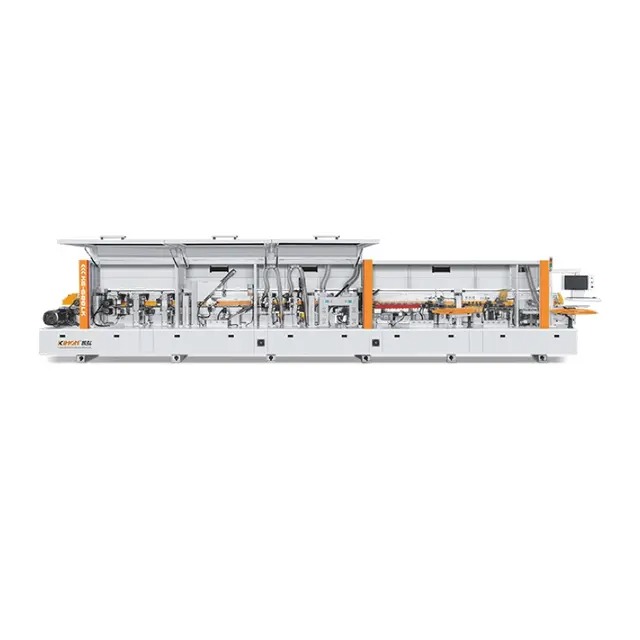
An automatic edge banding machine is a piece of equipment designed to apply a thin strip of material (the edge banding) to the exposed edges of a panel or board. This machine is essential for giving products like cabinetry, furniture, and panels a clean, professional appearance while protecting the edges from damage and wear. The machine operates through various automated steps, including feeding, edge trimming, gluing, and buffing.
The core function of the machine is to provide seamless, high-quality edges, but its adaptability to different materials is what makes it so valuable in the industry. Let’s examine the materials that can be processed by these machines.
Types of Materials an Automatic Edge Banding Machine Can Handle
An automatic edge banding machine is designed to handle a wide range of materials, allowing manufacturers to work with different substrates and edge banding materials. Here are the key categories:
1. Wood-Based Materials
Wood remains one of the most common materials processed by automatic edge banding machines. From plywood to MDF, these machines can work with various types of wood-based panels, each requiring different edge banding techniques.
MDF (Medium-Density Fiberboard)
MDF is a highly versatile material made from wood fibers bonded together with resin under heat and pressure. It's commonly used in furniture and cabinetry due to its smooth surface and ease of machining. An automatic edge banding machine can handle MDF efficiently, providing high-quality finishes for both the face and edges of the board.
Advantages of using MDF with an edge banding machine:
Smooth finish: The smooth surface of MDF provides a flawless edge banding application.
Easy to work with: MDF is easy to shape, trim, and manipulate with edge banding machines.
Plywood
Plywood is a layered wood product made from thin sheets of veneer glued together, and it is commonly used for furniture making. An automatic edge banding machine can handle plywood sheets with precision, ensuring the edges are sealed properly.
Advantages of using plywood with an edge banding machine:
Strong and durable: Plywood is known for its strength and stability, making it ideal for heavy-duty applications.
Versatility: Plywood can be used in both structural and aesthetic components of furniture.
Particle Board
Particle board is a cost-effective material made from compressed wood chips and resin. While it is not as durable as MDF or plywood, it is widely used for affordable furniture. Edge banding is critical to particle board to prevent its edges from chipping or deteriorating.
Advantages of using particle board with an edge banding machine:
Cost-effective: Particle board is cheaper than solid wood or plywood.
Easy to process: Automatic edge banding machines can efficiently apply edge banding to prevent damage.
2. Plastic Laminates
Plastic laminates, including those made from melamine, are popular choices for furniture and cabinetry due to their attractive finishes and durability. These materials often require edge banding to create seamless, cohesive edges.
Melamine
Melamine is a type of plastic laminate that is bonded to particleboard or MDF to create a durable and smooth surface. The automatic edge banding machine handles melamine edges by applying matching edge banding materials like PVC, ABS, or wood veneer.
Advantages of using melamine with an edge banding machine:
Aesthetic appeal: Melamine offers a wide variety of patterns and finishes, providing flexibility for designs.
Durability: Melamine is resistant to stains, scratches, and fading.
3. Veneer
Veneer is a thin layer of wood, often used to give the appearance of solid wood at a lower cost. Veneer is typically applied to MDF, plywood, or particle board. When using veneer as an edge material, an automatic edge banding machine is essential to apply a matching veneer strip to ensure the edges are consistent.
Advantages of using veneer with an edge banding machine:
Natural look: Veneer offers the aesthetic qualities of solid wood without the cost.
Variety of wood types: Various types of wood veneer can be used, offering a broad range of visual effects.
4. Metal and Aluminum
In high-end furniture and industrial applications, metal and aluminum are sometimes used as edge banding materials. These materials can be processed by automatic edge banding machines equipped with specialized tools for cutting and applying metal edges to panels.
Advantages of using metal or aluminum:
Modern aesthetic: Metal edge banding provides a sleek, contemporary look.
Durability: Metal edges offer robust protection against damage.
5. Acrylic and PVC
Acrylic and PVC edge banding are increasingly popular due to their wide range of colors and finishes. These materials are processed with automatic edge banding machines that apply heat and pressure to ensure a strong bond.
Advantages of using acrylic or PVC:
Color variety: Acrylic and PVC come in a broad spectrum of colors, providing aesthetic flexibility.
Resistance to wear: Both materials are durable and resistant to scratches, stains, and moisture.
6. Solid Wood Edging
For premium furniture production, solid wood edging is sometimes used to match or complement the overall wood type of the project. Automatic edge banding machines can work with thin strips of solid wood to achieve a high-end look.
Advantages of using solid wood edging:
Authenticity: Provides the natural look and feel of solid wood.
High-quality finish: Solid wood edging adds a premium touch to furniture and cabinetry.
7. HPL (High-Pressure Laminate)
High-pressure laminate (HPL) is a composite material used for decorative finishes on furniture and cabinetry. It’s thicker and more durable than standard laminates, requiring specific machinery to handle the edges effectively.
Advantages of using HPL:
Durability: HPL is highly resistant to impact, heat, and moisture.
Variety of designs: Available in various textures, colors, and patterns.
How an Automatic Edge Bander Works with These Materials
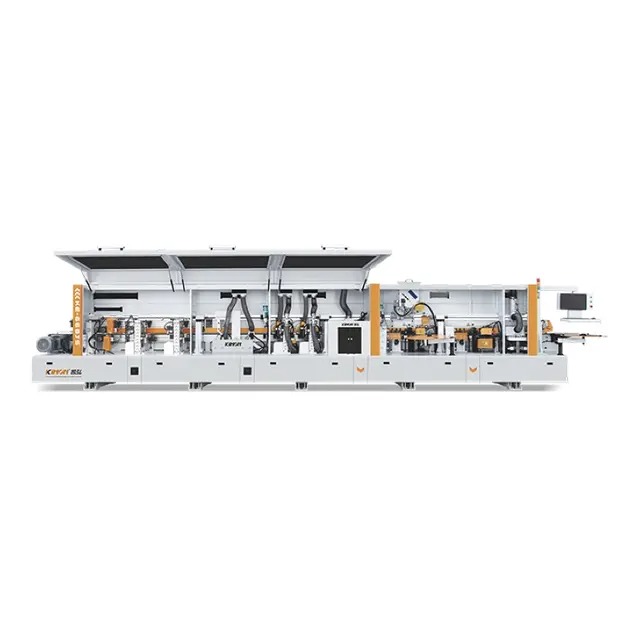
The process of using an automatic edge banding machine depends on the material being processed. However, the general steps remain consistent:
Material Feeding: The board is loaded into the machine, which is equipped to handle a range of panel sizes.
Edge Application: The machine applies the chosen edge material (e.g., PVC, wood veneer, or acrylic) along the exposed edges of the panel.
Trimming and Shaping: The excess edge banding is trimmed, and the edges are shaped to ensure a smooth, flush finish.
Buffing and Polishing: The machine finishes by smoothing the edges for a professional, glossy look.
Conclusion
Automatic edge banding machines are highly versatile and can handle a wide variety of materials, from wood-based panels like MDF and plywood to plastic laminates, metal, and even solid wood. Understanding the materials your edge banding machine can work with is essential for choosing the right material for your projects. Whether you're working with cost-effective particle board or high-end solid wood, the edge banding machine ensures that your edges are smooth, durable, and aesthetically pleasing.
FAQ
1. Can an automatic edge banding machine handle solid wood?
Yes, automatic edge banding machines can handle solid wood edging, typically used for high-end furniture and cabinetry. Specialized tools may be required to handle solid wood with precision.
2. What is the best material for edge banding MDF?
PVC, ABS, and wood veneer are commonly used for edge banding MDF. PVC offers durability and a wide range of colors, while wood veneer provides a natural wood appearance.
3. Can an automatic edge banding machine be used for metal edges?
Yes, edge banding machines can handle metal edges, such as aluminum, in certain configurations. These machines require specialized tools to process metal efficiently.
4. How does an automatic edge banding machine improve production efficiency?
Automatic edge banding machines automate several steps of the edge banding process, including material application, trimming, and buffing. This reduces manual labor, improves consistency, and speeds up production.
5. What is the difference between PVC and acrylic edge banding?
PVC edge banding is flexible and comes in a wide range of colors, while acrylic is harder and more resistant to scratches. Acrylic provides a high-end finish, while PVC is more cost-effective.